

2025 has been a year to remember at PLAYERUNKNOWN Productions. We moved from being a highly motivated group of researchers, developers, a handful of playtesters, and a bunch of other business professionals into a tight-knit community. With the Early Access release of Prologue: Go Wayback! in late November, that journey became something we could finally share more openly with all of you. Like everywhere else, we had our ups and downs, our mistakes and learnings, but most importantly, we found a place to share our stories, listen, and connect around some of our biggest passions: games and technology. This also brought us one step closer to our most ambitious vision, Project Artemis.
We’d like to thank you for being the most significant part of this journey. For the messages we read every morning while sipping our first coffee of the day, one eye still closed, trying to find the energy to make it through the week. And for reminding us why we keep doing what we do.
With that said, let’s take a moment to reflect on what we’ve built together this year.


The World of Prologue: Go Wayback!
This year has been an intense one. We’ve been working in a very iterative way, with a constant focus on keeping the game playable. First so we could play it internally, and second so we could test it outside the studio walls. Developers get surprisingly bad at testing their own games, and that happens faster than you’d expect, which made your honest feedback absolutely crucial for us.
The year started with our first community tests through Discord. Previously, all our tests had been on-site, but we wanted to move to a larger group and run tests more regularly. By spring, we managed to reach a playtest cadence of every other sprint. That was followed by the Open Beta in August. While most systems were in place, we still needed to connect them technically to enable key features like saving.
A living world like ours means many interconnected systems that need to be tested together. A storm should feel cold, chill the player, and soak the forest around them. One example of systemic polish was making large cliffs block rain so you can light a fire underneath. That single change involved around ten different systems working together.
Alongside this, we spent a lot of time polishing the UI, including several iterations on the inventory. We also added new items like binoculars and new lamps. On top of that, we introduced different game modes so you could test the systems in different ways and shape your own version of the survival experience, whether easy or hard.

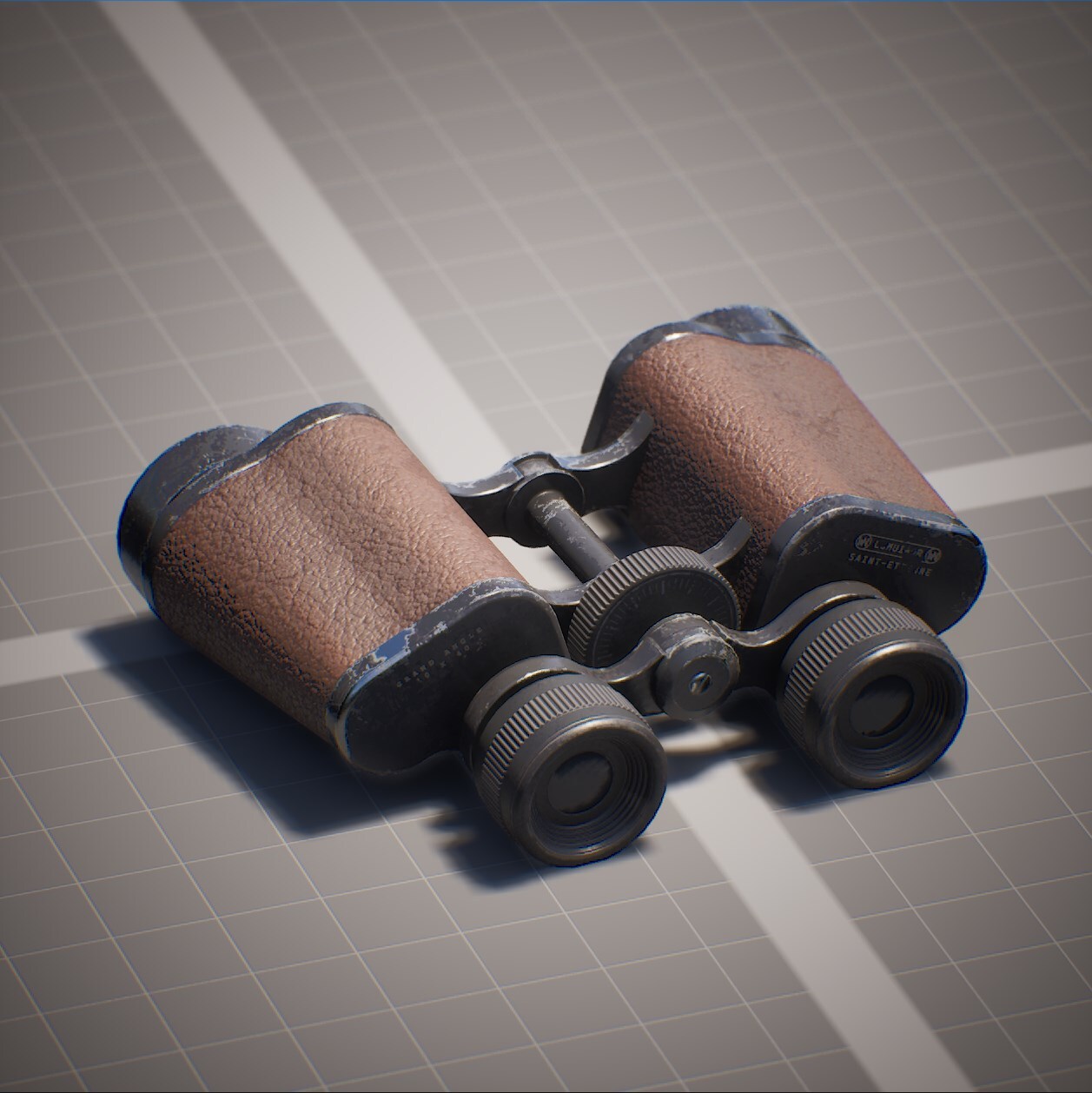
Replica Binoculars
Now that Go Wayback! is in Early Access, we wanted to take a step back and look at the game more critically. To challenge ourselves, we ran an internal game jam last week. It was a lot of fun and produced some very strange ideas, but it also helped highlight which systems are already strong and which ones need more work.
In the short term, our focus is on polishing the survival experience, making it more accessible and ensuring the systems are easier to understand. At the same time, we’ll continue adding new content. One example we’re exploring is hiking shoes that make climbing easier.
If you haven’t already, feel free to check out our roadmap to see what’s coming next.

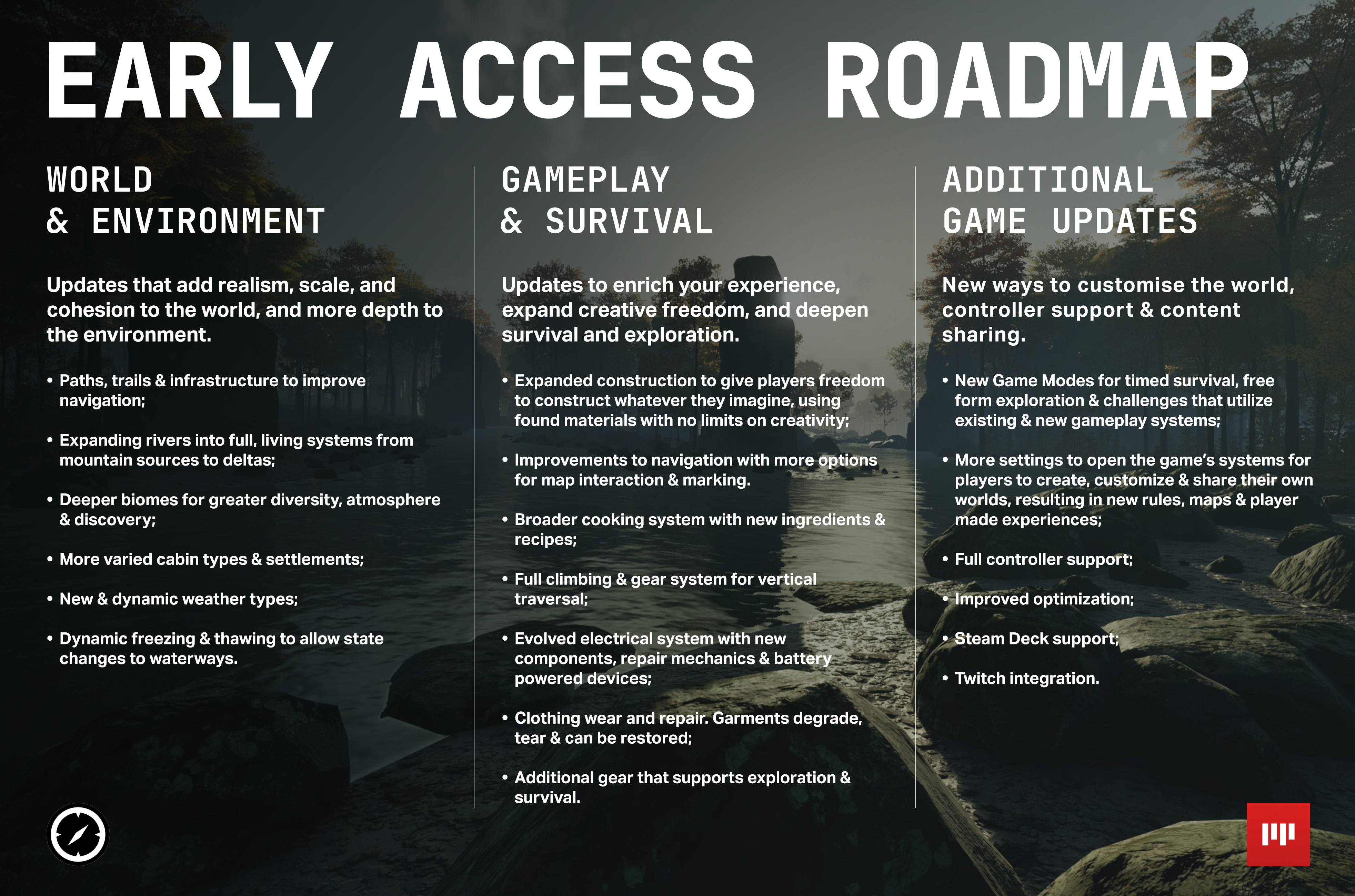
Prologue: Go Wayback! Roadmap
Preface: Undiscovered World & Melba
This year, Melba has been building toward supporting game development directly inside of it, driven by the lessons we learned from our v0.1.0 release of the Preface: Undiscovered World tech demo in December 2024.


To support this goal, Melba’s tech stack underwent some major transformations throughout 2025. You’ve seen a number of these improvements land in our two major Preface releases (v0.2.0 and v0.3.0), where we shipped both foundational tech changes and user-facing upgrades, including:
Restructuring the memory layout of our Entity Component System (ECS) to make it more cache friendly
Global illumination using Path Tracing, raising the bar on visual fidelity at scale
Improvements to our ML pipelines and models, letting us ship multiple planets and making generated terrain more dynamic
Massive increases in the amount and view distance of trees, rocks, and other foliage we can spawn
Breathed life into the planets with world scale oceans and environmental audio
A major project restructure to reduce tech debt, enable modern tooling, and increase our development velocity


And in our v0.4.0 release shipping today, we're making some of our most fundamental changes yet:
Switching our runtime ML inferencing to ONNX Runtime for significantly better performance
(We’ll be blogging soon about this change and what it enables.)
A rewritten CPU task scheduler, giving us better control, parallelisation, and utilisation
Moving to a plugin-based executable architecture, made possible by our project restructure
All of the lessons and growth from v0.1.0 through v0.4.0 are setting us up for a huge year in 2026, where we’ll continue building tooling for deeply data-driven worlds.
We’re also planning to expand Preface: Undiscovered World into a multi-user experience, showcasing how Melba’s tech stack can deliver scale far beyond what has been seen before; as well as developing the data-driven workflows needed to support content creation for experiences of that size.
You can see some of what we’re exploring in our updated Open Development Roadmap below, and please join the team in Discord if you want to dig into any of the details!

Preface: Undiscovered World Roadmap
We’re now taking a short break to recharge. We’ll be back in 2026 to keep working on delivering the games you’ve always dreamed of. As always, please join us on Discord and share your holiday runs, or even some photos from your delicious family dinners.
Oh, one last note before heading out for the holidays. As mentioned earlier, we wrapped up our final planning week of the year by exploring what Prologue: Go Wayback! could evolve into in the long term, giving our designers and developers complete freedom over the course of 48 hours.
We don’t yet know which of these ideas will make it into Go Wayback!, or on what timeline, but we wanted to share a small video below as a sneak peek.
Happy Holidays!